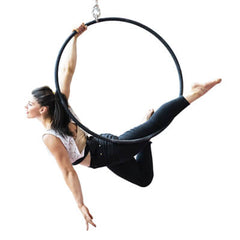
 Aerial Disciplines


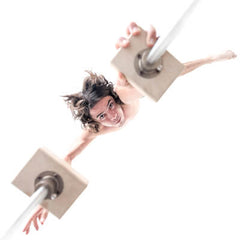 Handstand
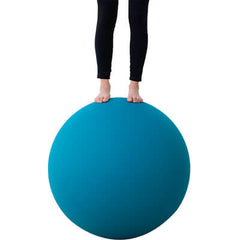 Balance
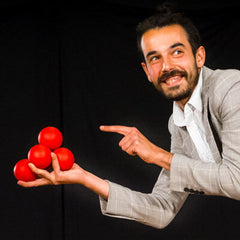 Balls


 Clubs


 Juggling Rings
 Diabolo
 Professional Silicone Clown Noses
 Manipulation Hats
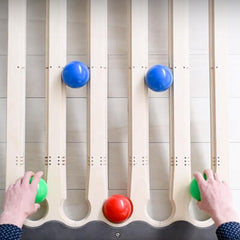 Juggle Board
 Soap Bubbles
 Circus Schools and Juggling courses
 Fire Props
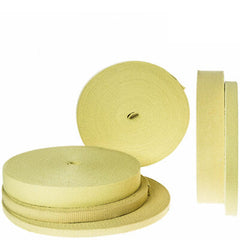 Kevlar® Wicks
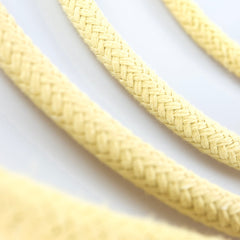 Kevlar® Ropes
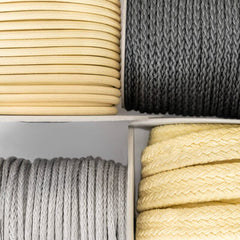 Special ropes in Technora and Kevlar®
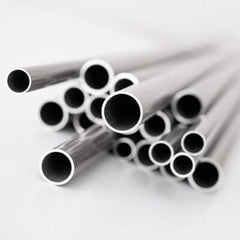 7075 - Tubing for fire prop manufacturers
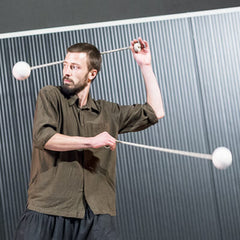 Contact Poi
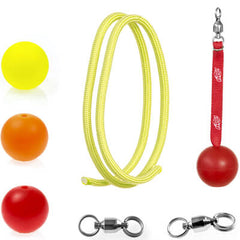 Poi and Flow Arts Components
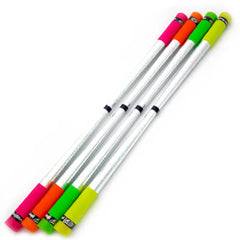 Devilstick
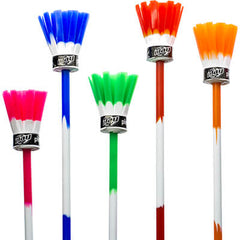 Flowerstick


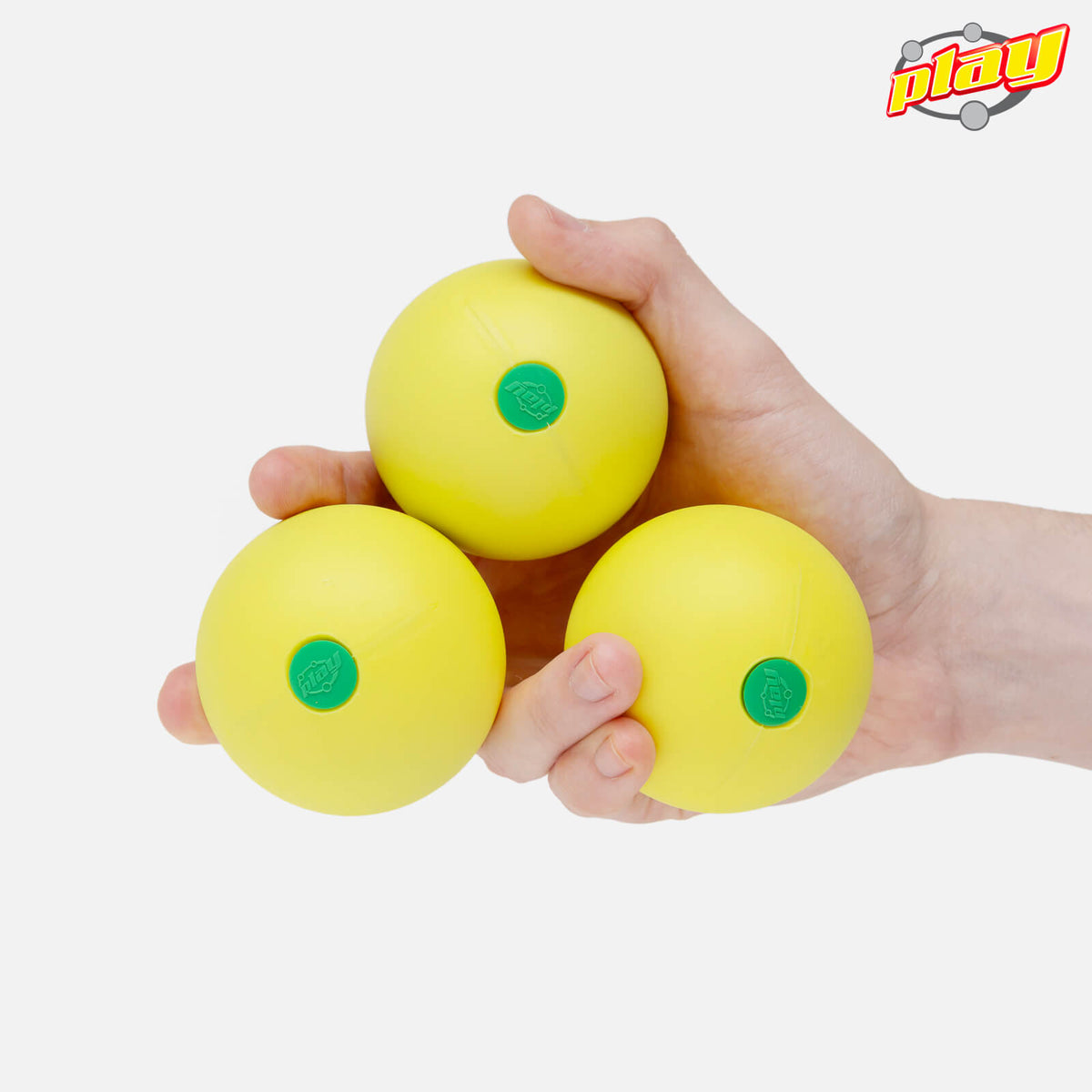
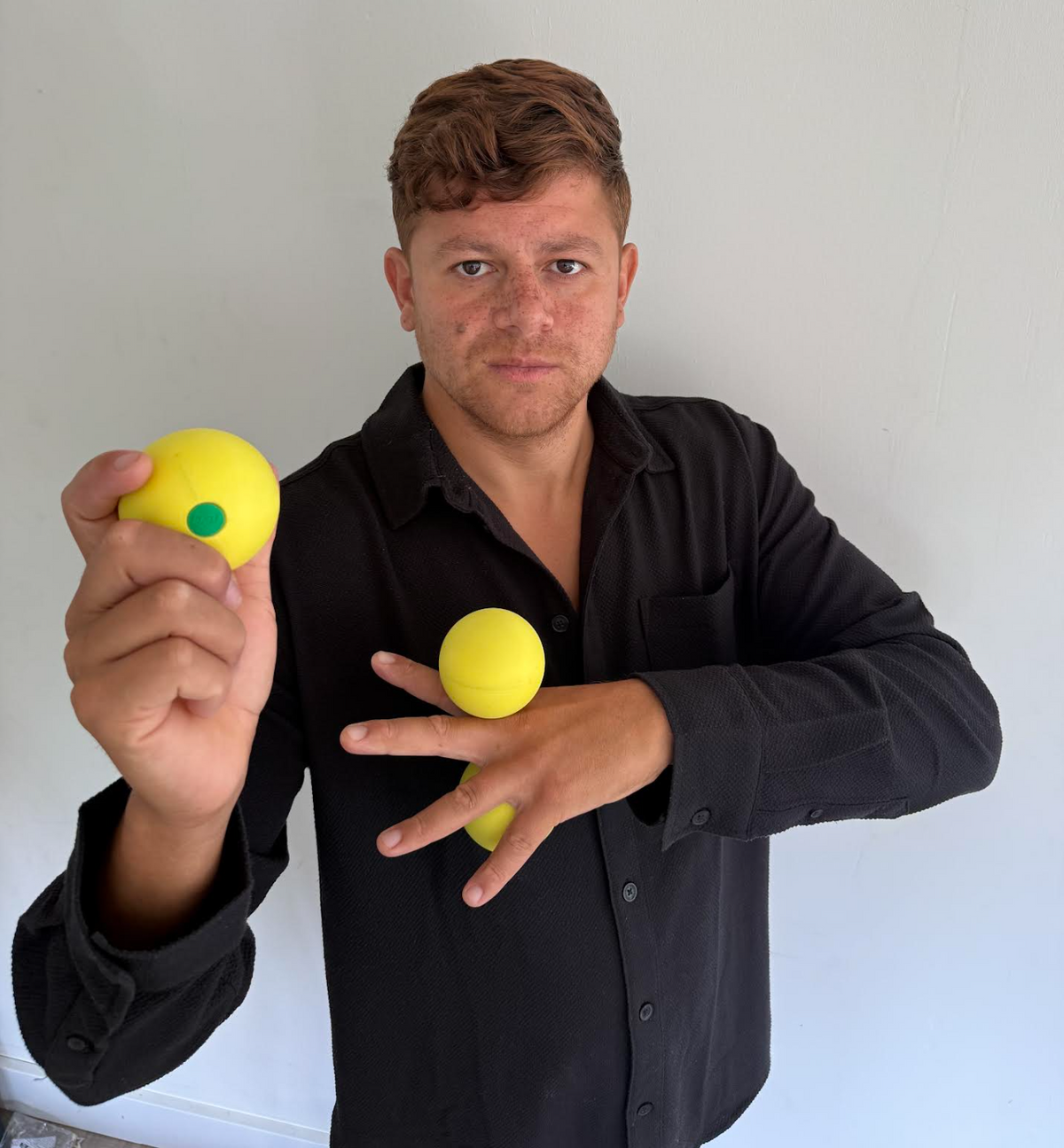
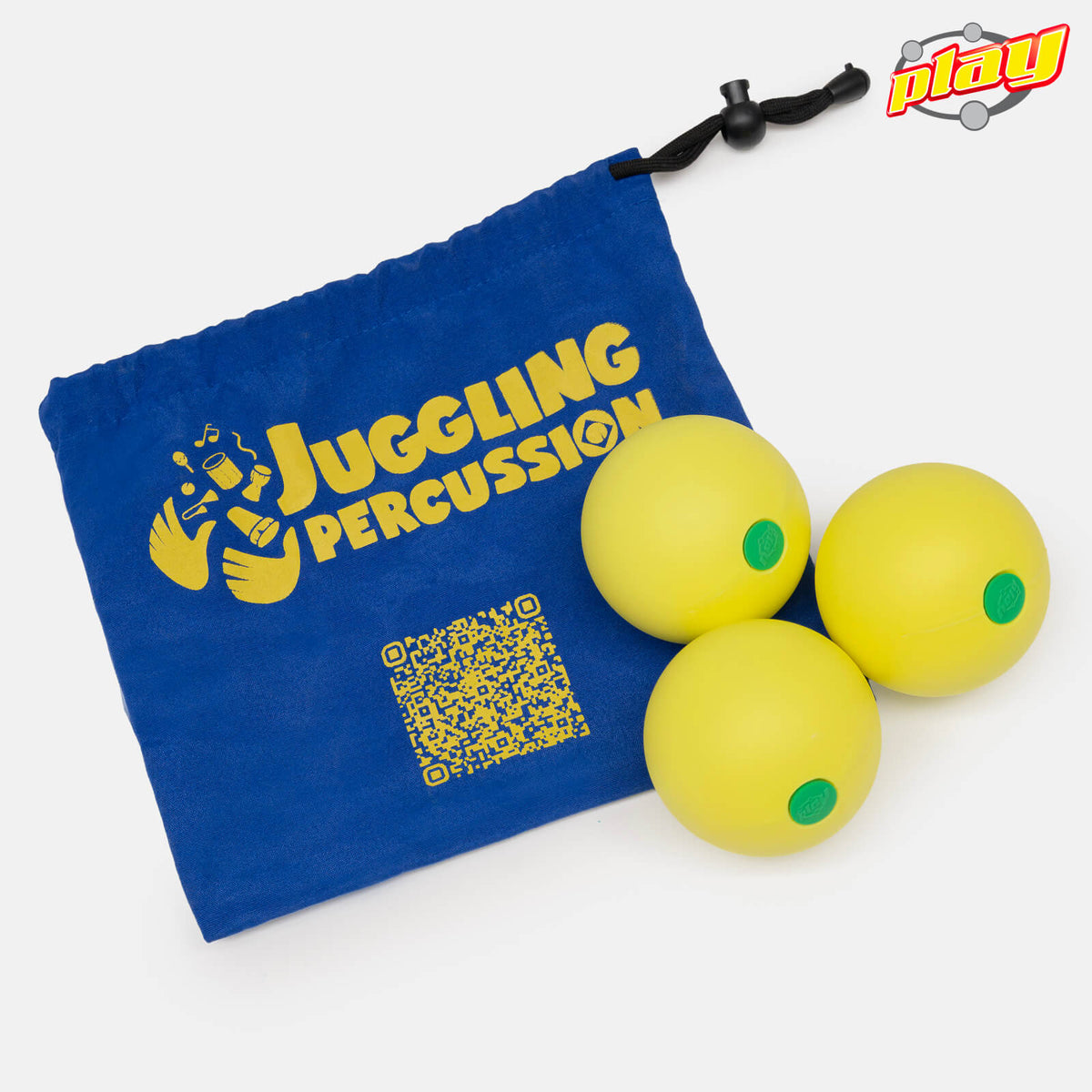
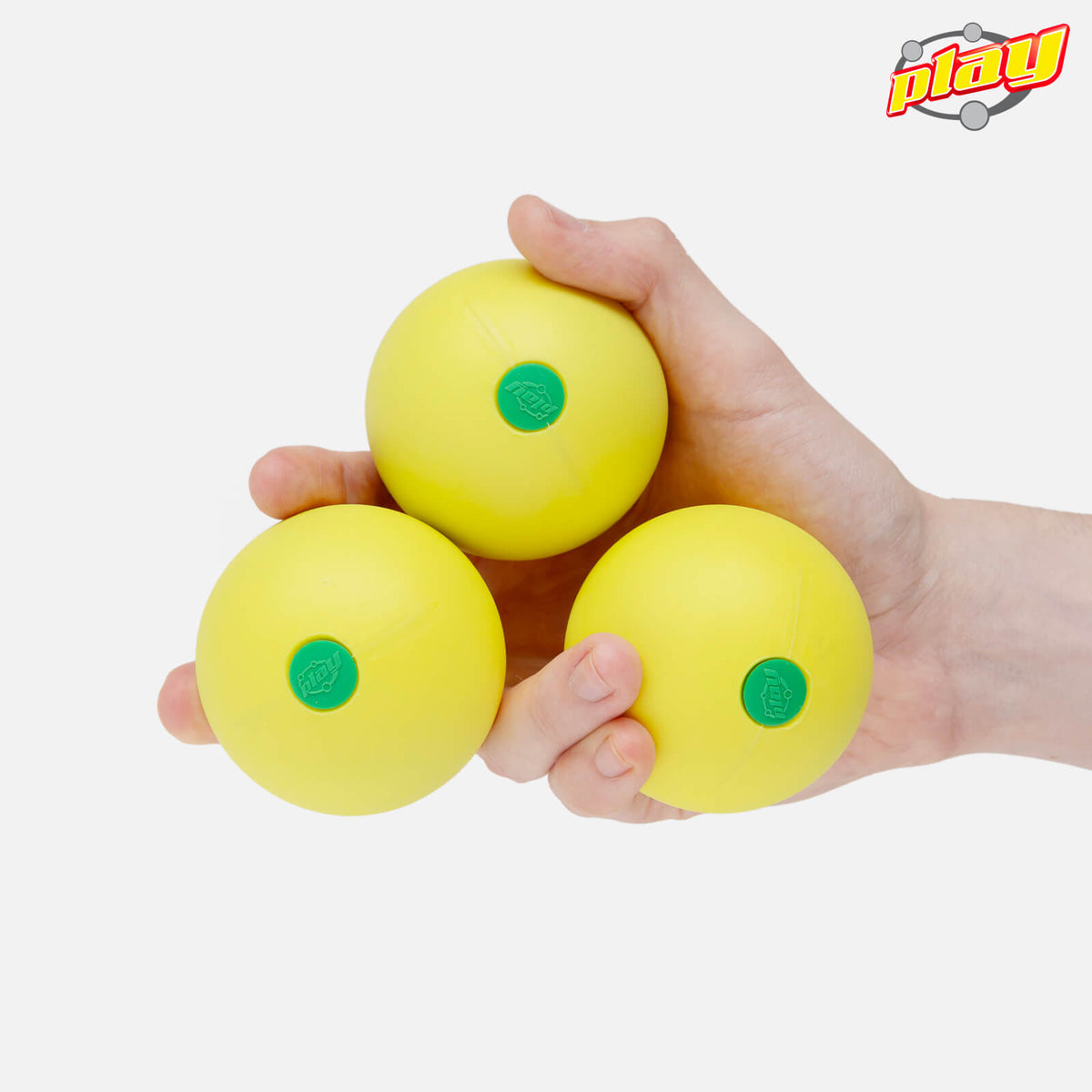
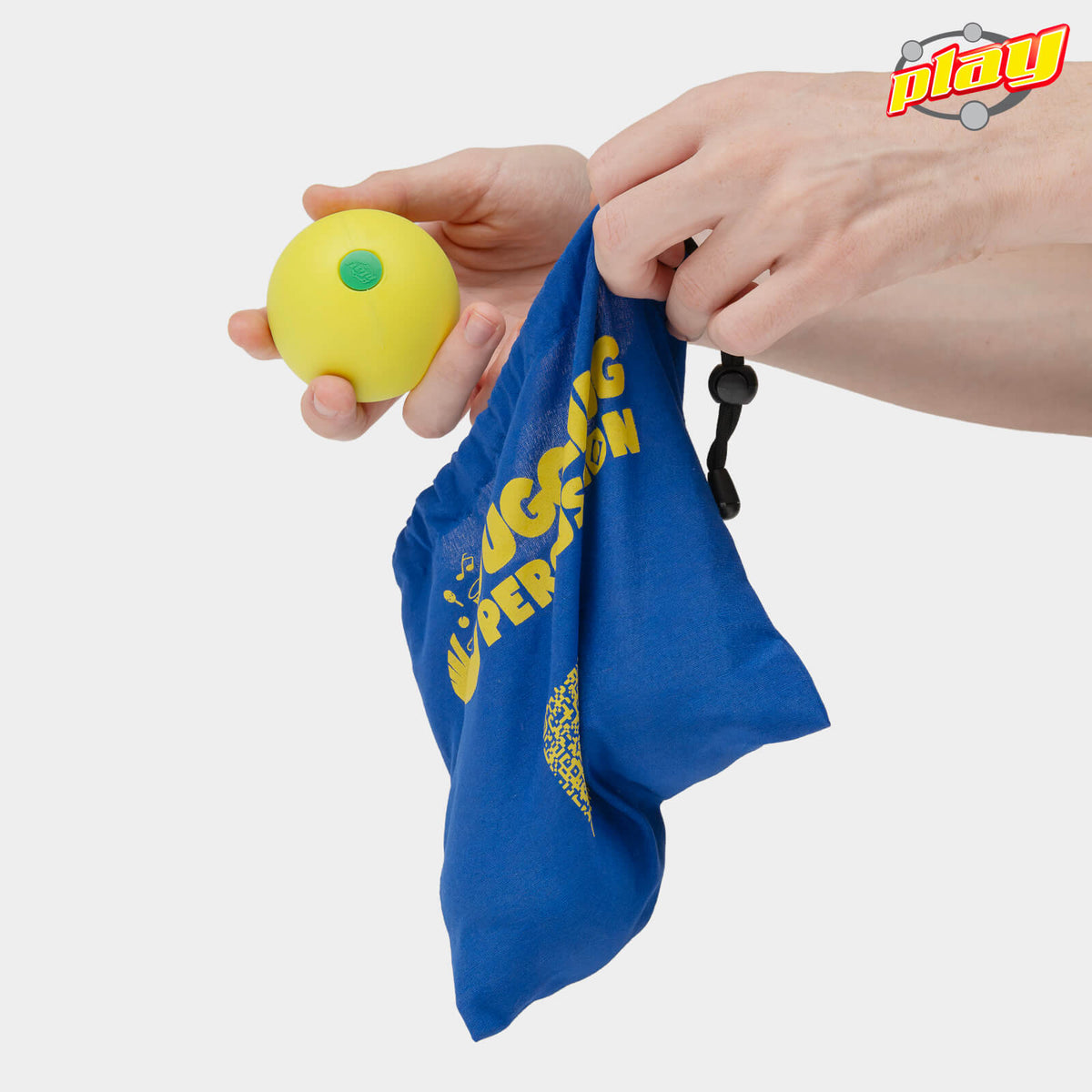
A semi-rigid shell with a generous 8 mm hole, allowing you to easily fill the ball with sand, salt, flour, or even large seeds. A simple yet intelligent design that lets you achieve the desired weight and flight behavior, which can be adjusted in just a few seconds—whenever you want.
Russian juggling balls are a highly specialized type of juggling prop favored by technical and sports jugglers, particularly for "numbers juggling" (juggling 5 or more objects).
Unlike a standard solid beanbag or a bouncy rubber stage ball, a Russian ball consists of a firm, hollow outer shell that is only partially filled with a loose, shifting material—typically fine quartz sand, salt, or plastic pellets.
Here is a breakdown of why they are used, how they work, and their pros and cons.
How the Physics Work
The defining characteristic of a Russian ball is its low and shifting center of mass. Because the ball is only about 25% to 35% full of sand, the behavior of the ball changes depending on its state of motion:
-
In the Air: When thrown, the sand settles at the very bottom of the shell. This concentrates the weight at the lowest point, acting like a pendulum. This extreme low center of gravity makes the flight path incredibly stable and highly resistant to mid-air collisions.
-
The "Dead Drop" (The Catch): When the ball lands in a juggler's hand (or on the floor), the loose sand inside immediately slams down against the bottom of the shell. This rapidly dissipates the kinetic energy, completely killing any bounce.
Pros of Russian Balls
-
Incredible Stability: The low center of mass makes them very forgiving if you throw them slightly inaccurately. They tend to self-correct in the air and resist wobbling.
-
No Rolling or Bouncing: If you drop one, it stops exactly where it hits the ground. This is a massive advantage when practicing with 7 or 9 balls, as you don't have to chase them across the room.
-
Foot Catches and Stalls: Because they deaden on impact, they are the absolute best prop for catching on your foot, stalling on your head, or doing neck rolls.
-
Lightweight: They are often lighter than stage balls of the same size, which reduces arm fatigue during long training sessions for numbers juggling.
Cons of Russian Balls
-
The "Wobble": If you put too much spin on a Russian ball when you release it, the centrifugal force will cause the sand to coat the inside of the shell, and the ball will wobble violently in the air. They require a very clean, spin-free release.
-
Rigid Shells: Traditional Russian balls are rigid (often made from modified play-pit balls). This means you cannot squeeze multiple balls easily into one hand for the start of a cascade, limiting how many you can comfortably hold.
-
Durability: Depending on the plastic used, they can crack in cold weather or if stepped on.
-
Noise: The sand makes a distinct "swish" sound in the air and a dull "thud" when caught. Some jugglers find this rhythmic, while others find it annoying.
Modern Variations
While traditional Russian balls were often DIY projects made by drilling a hole in a hollow plastic sphere, filling it with sand, and sealing it with a glue gun, professional manufacturers have refined the design.
For example, companies now manufacture "hybrid" Russian balls (like the SIL-X) which use a soft, squeezable PVC or TPU shell partially filled with liquid silicone instead of sand. This provides the same low-center-of-gravity "dead drop" effect, but with a shell that feels like a beanbag and is completely silent.