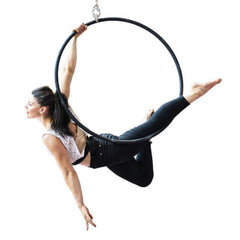
 Aerial Disciplines


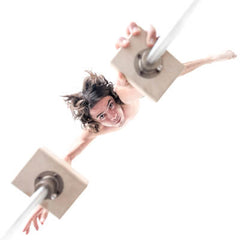 Handstand
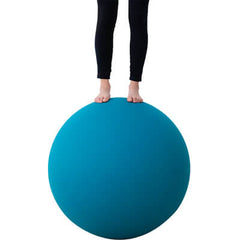 Balance
 Balls
Balls


 Clubs
Clubs


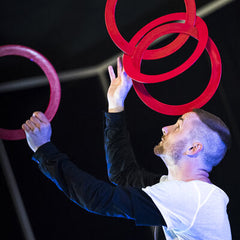 Juggling Rings
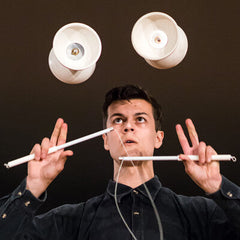 Diabolo
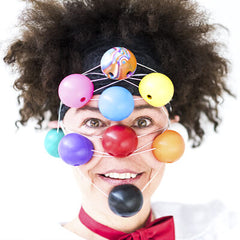 Professional Silicone Clown Noses
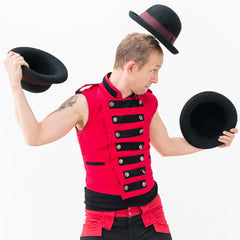 Manipulation Hats
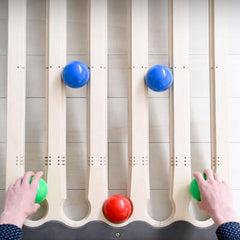 Juggle Board
 Soap Bubbles
 Circus Schools and Juggling courses
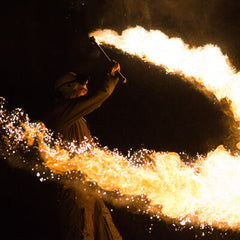 Fire Props
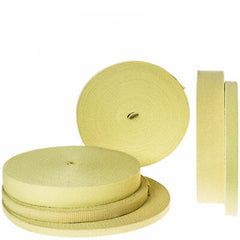 Kevlar® Wicks
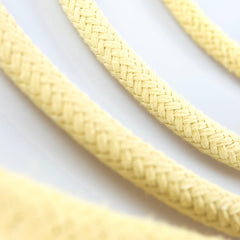 Kevlar® Ropes
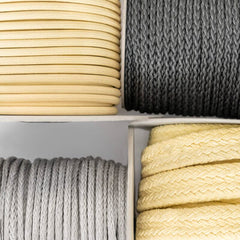 Special ropes in Technora and Kevlar®
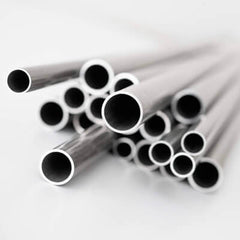 7075 - Tubing for fire prop manufacturers
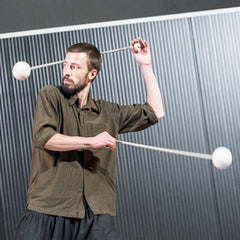 Contact Poi
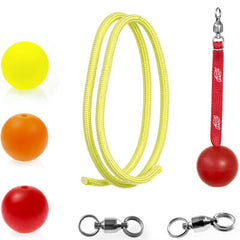 Poi and Flow Arts Components
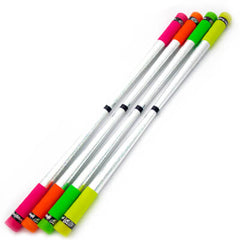 Devilstick
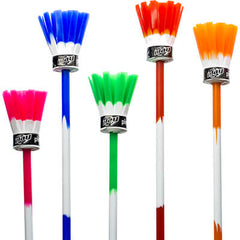 Flowerstick

Safety guidelines for fire performance
These pages set out the precautions to follow before, during and after a fire performance. They do not replace a class. They are there so that, even the first time, you can see what to check in order to reduce the risk of accidents, which in this discipline can be serious.
Who this page is for
Play builds fire props and the 100% PURE KEVLAR® made in Italy. This page does not teach the moves and it does not replace a class with a teacher. It sets out the precautions to follow before, during and after using fire, whether you bought a finished prop or you are building one. In this discipline an accident can be serious. The checks below are there to reduce that risk, with care and without hurry.
If you have not yet practised the move without flame with a competent teacher, do not light up. A well-made prop is not, on its own, enough to make the session safe. Before you light, also check the rules of the place: some cities require a permit, some festivals a fire plan, and in some indoor spaces paraffin or other fuels are not allowed. Find out before the flame is already lit.
A finished prop or a build
If you bought a ready-made Play prop — for example a Poseidon, a Nybras or an Ara torch — this page tells you what to prepare around the first lighting: the space, the people and the extinguishing. If you are building the prop yourself, folding a wick, closing a monkey fist or sewing an edge, the fibre size is in the guide to choosing Kevlar. The precautions for space, people and extinguishing are the same in both cases. Only the work you do on the prop before lighting is different.
People who spit fire or practise fakir work use other fuels, with specific risks for the mouth and the lungs, and with teachers of that discipline. This page does not cover those cases. It is about props you spin, throw or hold in the hand.
Space, people and clothing
The space matters as much as the prop. You need an open, clean area, away from dry hedges, tents, plastic, fuel cans and from anyone watching. The audience needs to stand far enough away that a prop which gets away from you does not reach them. In wind the flame stretches in the direction the wind is blowing: take that into account when you choose where you stand and where other people stand. If you work indoors, ask the person who runs the venue what is allowed before you light. That is not a question to ask once the flame is already going.
Do not light up alone. You need a safety person who, at that moment, is not filming, is not chatting, and is not the same person using the prop. They need a fire blanket within reach, an extinguisher they know how to use, and a first-aid kit suitable for burns. They also need the emergency number and a clear way out of that place if something does not go as planned. These precautions apply from the first lighting, not only once you already have experience.
The person using the prop needs to be clear-headed: no alcohol, and no substances that slow reflexes or reduce attention. Suitable clothing is close-fitting and made of natural fibre, such as cotton or wool. Synthetic fabrics and loose clothes catch fire more easily. Tie your hair back. Avoid scarves or bands that can move into the flame. Do not keep spare lighters in a pocket: a lighter close to the body is an extra risk if it heats up. Keep one lighter only, in a place you know, away from the flame and from the fuel.
Checking the prop and the fuel
Check the prop every time, even if you noticed nothing the day before. Look at wicks and ropes: a frayed edge, a stitch that is pulling, a ring with play, or a clip that no longer closes as it did on the first day should be put right before you soak the prop. Cold, they can look like details. With the flame lit they can become the point where the prop opens or comes apart. Play Kevlar is compact and stays the same from one order to the next, but that does not replace the check before you add fuel.
Fuel goes only where it is meant to burn: the poi head, the staff wick, the torch. Tethers, handles, knobs, swivels and hardware stay dry. If the tether soaks up fuel, the flame can travel along the rope to the hand. If you are building the prop, the Kevlar guide says which rope must absorb and which must stay dry. If you have a finished prop, do not wet the parts Play left dry.
After soaking, spin the prop to throw off the excess fuel. Do not light a prop that is dripping. Drops on the ground can catch fire and make a second flame, often near the feet or the audience. Keep the container closed and away from the lighting area. Clean your hands before you pick the prop up again, so you do not carry fuel onto handles and clothes.
The fuel
Play does not sell fuel and does not name an official fuel. What you use should be a product sold for fire work, bought from a supplier you trust, and allowed in the place where you light. Many performers use lamp oils or liquid paraffins made for this use. Others follow the product their teacher indicated. A liquid taken from the car aisle or from under the sink is not a performance fuel: its composition and the way it burns are different from a product made for this work.
Each fuel behaves differently: some smoke more, some drip more, some stay hot for longer after you put them out. Learn yours in small amounts, outdoors, with the safety person already in place. Do not mix two fuels to see what happens. Do not carry fuel on a plane. Do not leave the container open near the lighting area. If someone tells you that indoors there is no problem, check with the person who runs the venue: that is the person who knows the rules of the space.
Fuels not to use
The liquids below are not fuels for fire props. They burn too fast, too smokily, or in a way that is too hard to predict, and they raise the risk of an accident:
- Car petrol evaporates easily, gives off a great deal of heat, and the flame is hard to control. It is not a cheaper version of white gas.
- Diesel makes dense smoke and a heavy smell, and it burns unevenly. It is harmful for the person using the prop and for anyone nearby.
- Acetone evaporates very quickly. The vapours move, and they can ignite even away from the point where you expect them to.
- Burning alcohol has a flame that is hard to see and it ignites at a low temperature. The margin between a flame that looks out and a flame that is still alight is very small. Do not use it for a performance, and do not try it out of curiosity.
If the label does not say the product is for lamps, torches or fire work, or if it refers to engines, degreasers or polish, do not use it.
Extinguishing and the final check
Extinguishing does not only mean that you can no longer see the yellow flame. You put it out with the fire blanket, or with the method your teacher showed you, and then you wait. Kevlar holds heat. A head that looks out can still hold embers, and embers can relight the flame. Do not put the prop in a bag, in a car or against a curtain only because the flame is no longer visible. Stay there, with the safety person, until you can touch the prop and feel that it is cold. Then put it somewhere where, if it relit, there would be no fabric, plastic or other material that can catch fire.
At the end of the session, check stitches, rings and handles again, and note what has worn. A fire prop wears out. When an edge, a stitch or a closure no longer holds as it did, replace them or retire the prop before the next session.
Checklist
- You can do the move without flame, or a teacher is with you.
- You have checked what is allowed in that place, and you know how to get out and whom to call if something goes wrong.
- There is a safety person, with a fire blanket, an extinguisher and a burn kit.
- You are clear-headed. Your clothes are close-fitting and made of natural fibre. Your hair is tied back.
- The prop is sound: no open edges, no loose rings, no clips that do not close.
- The fuel is a product for fire work, not a product for cars or for the house. The container is closed and away from you.
- Tethers, handles and hardware are dry. The prop is not dripping.
- You know how to extinguish, and you stay until there are no embers and the prop is cold to the touch.
If even one of these conditions is not met, put the lighting off. The prop can wait. In this discipline an accident can be serious, and these checks are how you avoid one. If you need a size, a wick or advice on how to build, start from the fibre guide or write to sales@playjuggling.com. A question before the session is the simplest way to clear a doubt.
Guide revision: 251004